A lot of food business owners in the UK keep hearing about ISO 22000 certification. Some of their customers are starting to ask for it. Others see competitors getting certified and wonder if they should do the same. The question keeps coming up: do I actually need this?
The honest answer is that ISO 22000 is not a legal requirement for every food business. You won’t get into trouble with the council just because you don’t have the certificate. But for a growing number of companies, it has become something customers expect. Without it, certain doors stay closed.
Let’s look at the types of businesses that usually need it.
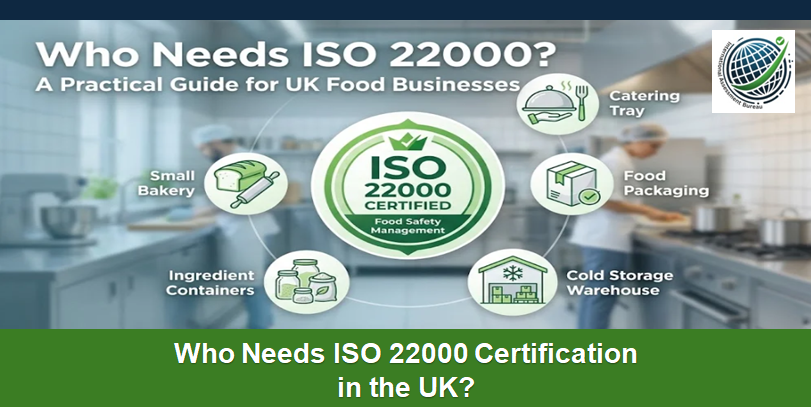
Food Manufacturers
Any business involved in the manufacture of food products such as bakery, dairy or snack foods should consider the benefits of getting an ISO 22000 certification. Larger retailers and buyers often require evidence of a food safety system being operated in your organisation. This certificate meets that requirement.
Smaller manufacturers often believe it is a certificate for the large manufacturers only. The truth is it is beneficial to all. It requires a business to set proper food safety management systems and process controls, and demonstrate commitment to food safety to its customers. Many smaller businesses have found it beneficial to run the food safety management system on a long-term basis as it supports and strengthens their day-to-day business activities.
Catering and Food Service
Caterers that supply food to schools, hospitals, care homes, offices and other large events are often asked to provide evidence of ISO 22000. More demanding tenders from the public sector as well as larger private clients often require this certificate.
Having the ISO 22000 certificate provides catering businesses evidence of controlling risks in food safety, as well as training staff and taking proper measures to ensure effective food safety management. Overall, this helps to win larger food catering contracts.
Food Packaging Companies
Companies that make or supply packaging for food are also part of the chain. More and more food producers now expect their packaging suppliers to hold ISO 22000. They want assurance that the packaging itself won’t create safety issues. For packaging businesses, certification has become a practical way to stay competitive.
Storage and Distribution
Warehouses, cold stores, and distribution companies that handle food products often need it as well. Temperature control, hygiene, and being able to trace products matter a lot in this part of the chain. Customers want to know their goods are looked after properly while they’re with you. The certificate gives them that confidence.
Ingredient and Raw Material Suppliers
If you supply ingredients, additives, or raw materials to food manufacturers, you’re in the same position. Larger customers frequently ask for ISO 22000. Having it can open up new contracts and make existing customers more comfortable working with you.
Who Usually Doesn’t Need It?
Very small local businesses - a single café, a small bakery selling only to the public, or a market stall - often don’t need ISO 22000. Basic food hygiene training and keeping the local environmental health officer happy is usually enough.
That said, some smaller businesses still choose to go for it. They might want to supply other companies later, or they simply want better systems in place. It depends on where the business is heading.
Why Do Customers Keep Asking for It?
Customers ask for the certificate because it shows you’ve done the proper work. You’ve looked at the hazards, put controls in place, trained your people, kept records, and set up a way to check and improve things.
It’s not just a piece of paper on the wall. For larger buyers especially, it reduces their risk. Some businesses also look at how it compares with other schemes. If you’re trying to decide between options, the difference between ISO 22000 and FSSC 22000 is worth understanding.
Is It the Same as Following the Law?
No. Having ISO 22000 doesn’t automatically mean you meet every UK food regulation. You still have to follow the rules set by the Food Standards Agency and your local authority.
What it does show is that you have a solid system supporting food safety. A lot of businesses find that working towards the standard also helps them stay on top of their legal duties.
Should You Get Certified?
Ask yourself a few simple questions:
- Are customers or potential customers asking for ISO 22000?
- Do you want to supply larger companies or win public sector work?
- Would clearer systems and fewer food safety problems help your business?
- Are you planning to grow?
If you answered yes to any of those, then it’s probably worth looking into properly.
It’s not the right step for every food business. But for manufacturers, caterers, packaging suppliers, distributors, and ingredient suppliers, it’s becoming more common - and in many cases, expected.
If you’re weighing it up and want straightforward advice on whether it makes sense for your business, International Assessment Bureau can help. They’re a UK-based certification that gives clear, fixed-fee quotes and practical support through the process.